What Is Craniosacral Therapy?
What Is Craniosacral Therapy? And How It Connects to Qigong and Chinese Medicine
If you've ever heard the term “craniosacral therapy” and wondered what it actually involves, you're not alone. It's a gentle, hands-on approach that's grown in popularity but is still widely misunderstood. Here's a straightforward look at what it is, how it relates to Qigong and Chinese medicine, and why the three are often taught together.
What Is Craniosacral Therapy?
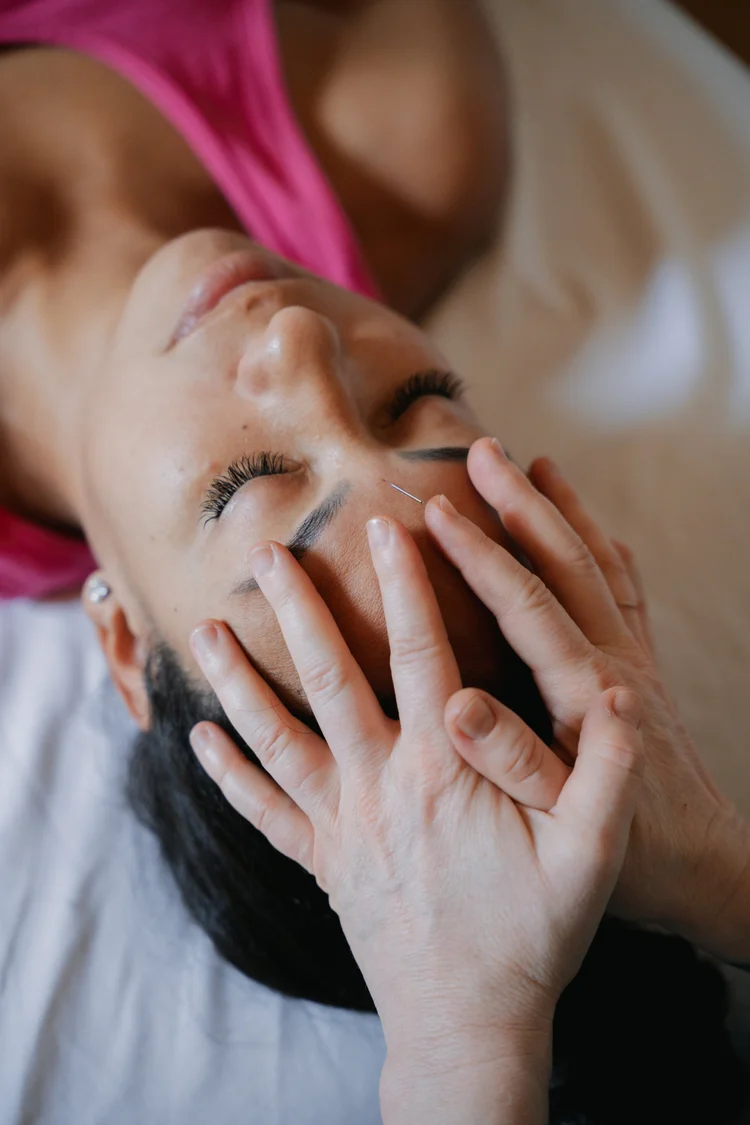
Craniosacral therapy (often shortened to CST) is a gentle, hands-on therapeutic approach grounded in anatomy, physiology, skilled palpation, and perception of subtle tissue movement and rhythmic activity within the craniosacral system.
In practice, that means a practitioner uses light, sustained touch to perceive subtle rhythms in the body, rather than applying force or a predetermined technique. Through this attentive contact, CST is used to support nervous-system regulation and address a broad range of physical and functional concerns, including pain and tension, stress-related and mental-emotional patterns, and digestive or other autonomically mediated symptoms, while following the body's response rather than imposing a fix from the outside.
That last part is worth sitting with: CST isn't about a practitioner deciding what your body needs and making it happen. It's about listening first, and letting the body's own response guide what happens next.
What Is Qigong?
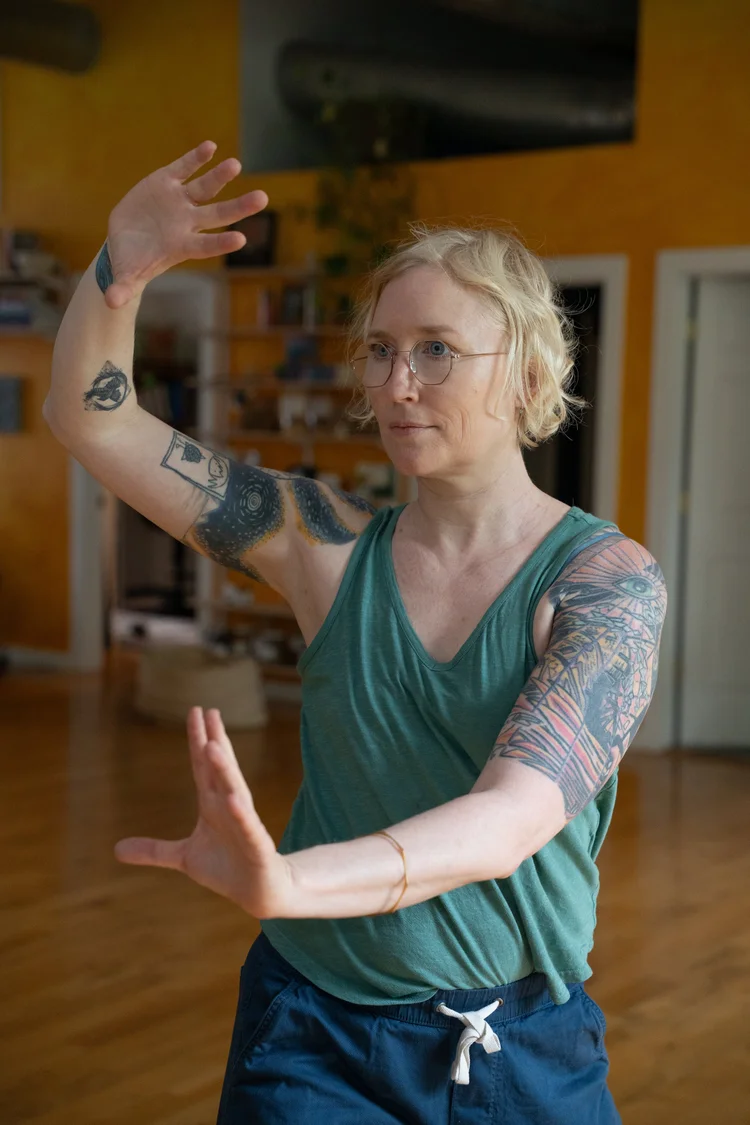
Qigong is a traditional Chinese health and self-cultivation practice that integrates posture, movement, breath regulation, attention, and energetic awareness to cultivate and regulate Qi. People practice it for overall health, vitality, and resilience.
There's also a less obvious benefit: Qigong builds the same body awareness, sensitivity, and self-regulation that's genuinely useful when working therapeutically with someone else. A practitioner who has spent years cultivating stillness and presence in their own body brings that same quality of attention to their hands when they work with a client.
What Is Chinese Medicine?

Chinese medicine is a comprehensive medical system that understands health through the dynamic relationships among organ systems, tissues, channels, emotions, environment, and natural cycles. Frameworks such as Yin-Yang, the Five Phases, Qi, Blood, and the channel network are used to understand patterns of health and dysfunction, and to guide practices that support both prevention and treatment.
It's a complete framework in its own right, not a handful of concepts borrowed for flavor. Practitioners trained in Chinese medicine spend years learning to read patterns across the whole person rather than treating isolated symptoms.
How These Three Practices Connect
Qigong, Chinese medicine, and craniosacral therapy are distinct systems and traditions. They didn't develop together, and none of them substitutes for the others.
But there's real resonance between them:
- Qigong offers an embodied practice of cultivating awareness and sensitivity within your own body.
- Chinese medicine offers a framework for understanding patterns, relationships, cycles, tissues, organs, emotions, and the environment.
- Craniosacral therapy offers a hands-on practice of listening to another body through touch, rhythm, tissue, and subtle movement.
Put simply: Qigong trains the awareness. Chinese medicine gives that awareness a framework to interpret what it's noticing. Craniosacral therapy applies both through touch. Each one sharpens the others.
Who This Is Actually For
A common assumption is that this kind of work is only for licensed practitioners, acupuncturists, or people already deep into bodywork. That's not the case.
This is genuinely useful territory for:
- Acupuncturists and Chinese medicine practitioners
- Massage and bodywork practitioners
- Somatic, yoga, and Qigong teachers
- Anyone who's experienced craniosacral therapy and wants to understand the work behind it
- Anyone simply curious about the body's subtle signals
No previous experience with any of the three is required to start learning. Practitioners tend to find ways to fold the material into their existing work, while people newer to the space can approach it as an introduction to listening, awareness, and gentle touch.

Going Deeper: The Listening Body Retreat
If this kind of work resonates, there's a deeper way to experience it directly. The Listening Body is a 6-day educational retreat in Tulum, Mexico, running February 17–22, 2027, led by Emily Morrison, LAc, MAOM, of Valley Spirit. It's built around daily Qigong practice, hands-on craniosacral training, and Chinese medicine study, all centered on one question: what changes when we learn to listen before we act?
The retreat is intentionally small and open to both practitioners and curious beginners alike.
Learn More About The RetreatDouble-click to edit...