

Winter Is Asking You to Slow Down: Caring for Your Nervous System This Season
Somewhere around late October, the light changes.
Evenings arrive earlier. Mornings stay dark a little longer. The trees let go of everything they spent the year growing, and the land begins to rest.
Nature slows down on purpose.
Most of us don't. The calendar fills. The holidays approach. Year-end deadlines stack up, and we keep running at a summer pace inside a winter body. Then, somewhere in December, we wonder why we feel so tired, foggy and short on patience.
Winter isn't something to push through. It is a season your nervous system already knows how to move through, if you let it.
What Winter Asks of the Body
Light is the main signal that sets your internal clock. When mornings stay dark, the body keeps producing melatonin, the hormone that makes us sleepy, a little longer into the day. Energy dips. Waking up feels harder.
Cold asks the body to spend more energy staying warm. Shorter days mean less time outside, less movement and less contact with nature, two of the things that most reliably help us settle.
None of this means something is wrong with you. It means your body is responding to the season, exactly as it was designed to. The strain comes when we ask it to keep performing as though nothing has changed.
If low mood, heaviness or exhaustion lasts for weeks each winter, it may be more than seasonal tiredness. Seasonal depression is real and treatable, and it is worth talking with a doctor or therapist.
Survival Mode and Rest Mode
Your nervous system moves between two broad states.
One mobilizes you. It sharpens focus, speeds the heart and readies you to act. The other restores you. It slows the breath, supports digestion and sleep, and lets the body repair.
Both are healthy. We need both. The trouble begins when we get stuck in the first one, running on urgency long after the urgent moment has passed. That is what many of us call survival mode.
Winter is a natural invitation toward the second state. Longer nights, quieter days and the pull toward warmth and home are the season's way of saying: restore now, so you can grow again in spring.
This is the same shift people feel on a good retreat, when the noise drops away and the body finally exhales. We wrote more about that in Why Retreats Change Your Nervous System. The good news is that you don't have to travel to begin. Winter brings the invitation home.
Six Ways to Care for Your Nervous System This Winter
None of these require a new routine or special equipment. Choose one or two and let them become part of your season.
1. Meet the morning light
Step outside within an hour of waking, even for 10 minutes, even when it's cloudy. Daylight tells your body that the day has begun, which helps you feel more awake now and sleep more deeply later.
2. Let your evenings grow dim
As night comes, lower the lights. Use lamps, candles or firelight instead of overhead lighting, and put screens away an hour before bed. Darkness is the body's cue to begin resting.
3. Treat warmth as medicine
A warm bath, a sauna, soup simmering on the stove, wool socks, a blanket around your shoulders. Warmth signals safety to the body. Let yourself receive it without needing to earn it.
4. Move slowly, every day
Winter isn't the season for pushing. Choose movement that steadies you: a walk under bare trees, gentle yoga, a few minutes of Qigong. Slow, attentive movement builds the kind of body awareness we explored in What Is Craniosacral Therapy?
5. Breathe out longer than you breathe in
Breathe in through your nose for a count of four, then out slowly for a count of six to eight. Repeat for three to five minutes. A long, unhurried exhale is one of the simplest ways to invite the body into rest.
6. Gather, don't isolate
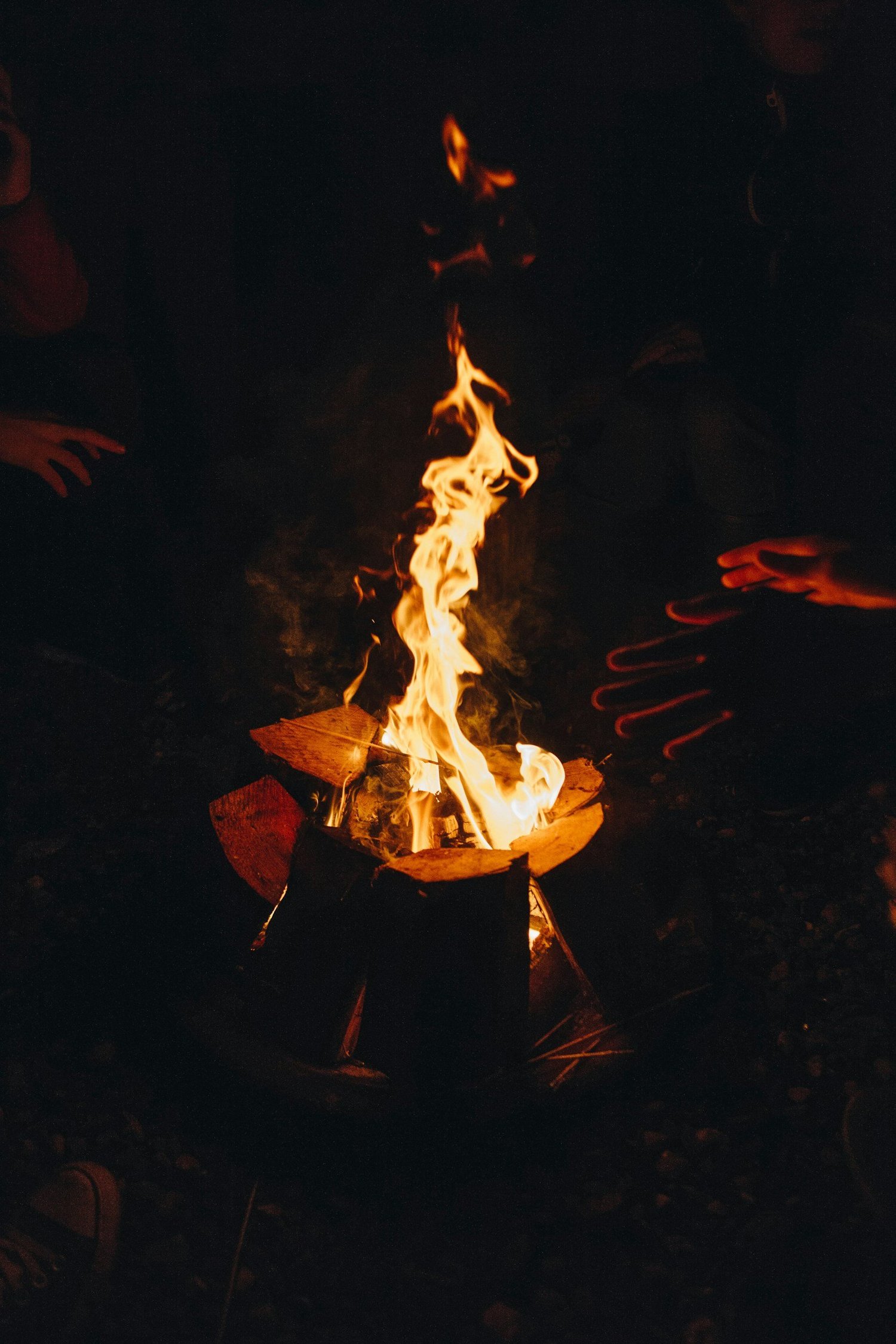
Cold weather pulls us inward, and some of that is healthy. But winter can quietly become isolation. Our ancestors gathered around fires through the longest nights for a reason. Share a meal. Call a friend. Sit in circle with people who see you. As we wrote in Reciprocity & Abundance, we are sustained by what we give and receive together.
A 15-Minute Winter Evening Ritual
Try this once a week, or every night if it feels right.
- Dim the room. Turn off the overhead lights and light a single candle.
- Warm your hands. Hold a cup of tea or place your palms near the flame for a moment.
- Breathe. Place one hand on your heart and one on your belly. Take ten slow breaths, each exhale longer than the inhale.
- Name what you're releasing. Like the trees in autumn, let one thing go: a worry, an expectation, a pace you no longer need to keep. Say it quietly, or write it down.
- Name what you're keeping. What do you want to carry through winter? A practice, a person, a hope.
- Close with gratitude. Thank your body for carrying you through this year. Blow out the candle and let the evening stay quiet.
Journal Prompts for the Dark Season
- Where am I still moving at a summer pace?
- What is my body asking for that I keep postponing?
- What would it look like to rest without first needing to earn it?
- Who do I want to gather with this winter?
Winter will come whether we fight it or not. The invitation is to stop treating it as an obstacle and let it be what it has always been: a season of rest, roots and quiet renewal.
Going Deeper This Season
If you're ready for more than an evening ritual, two gatherings in the new year are built around exactly this kind of rest.
The Listening Body
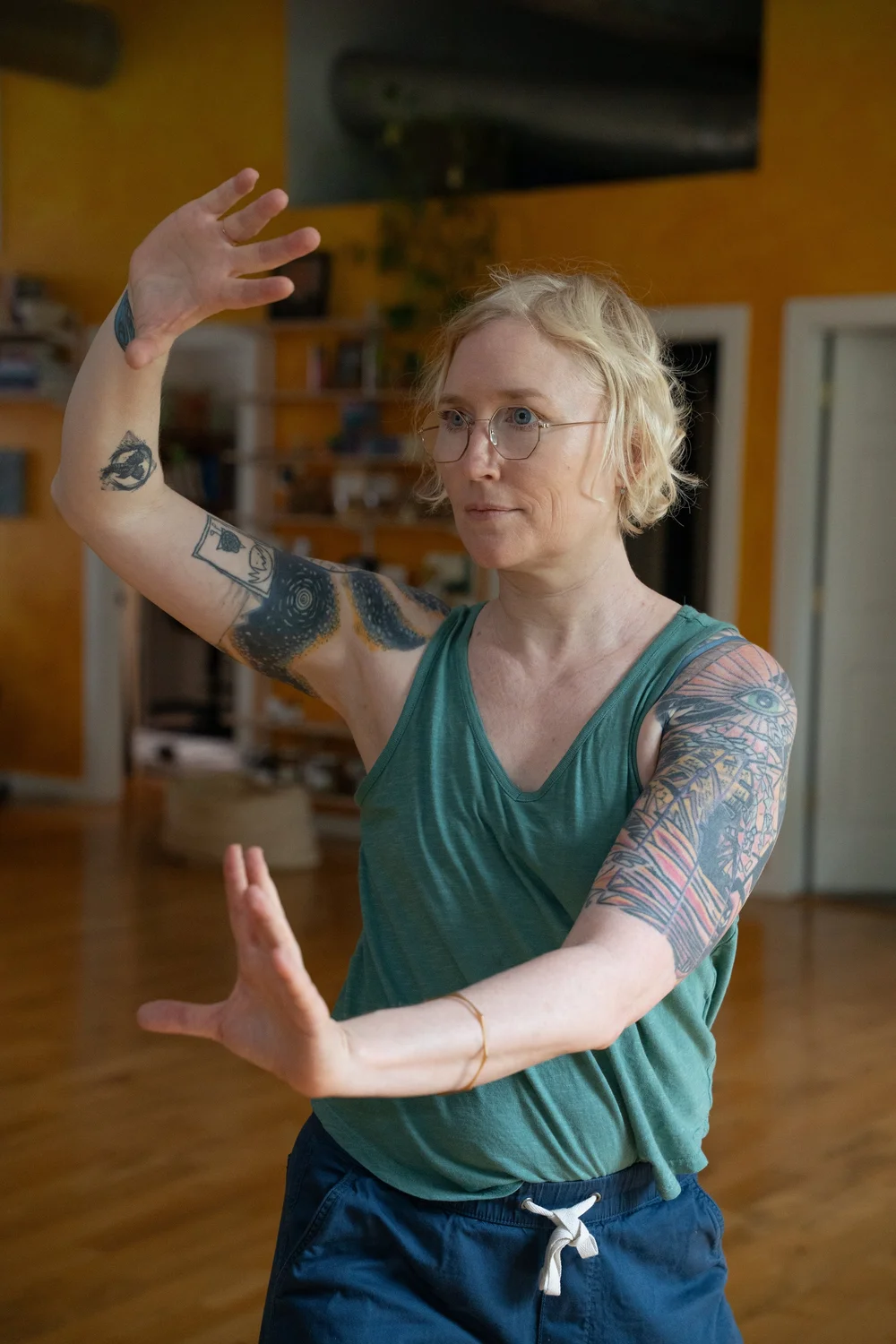
Six days of daily Qigong, hands-on craniosacral training and Chinese medicine study, led by Emily Morrison, LAc, of Valley Spirit. A warm, slow week at the end of winter.
Explore the retreat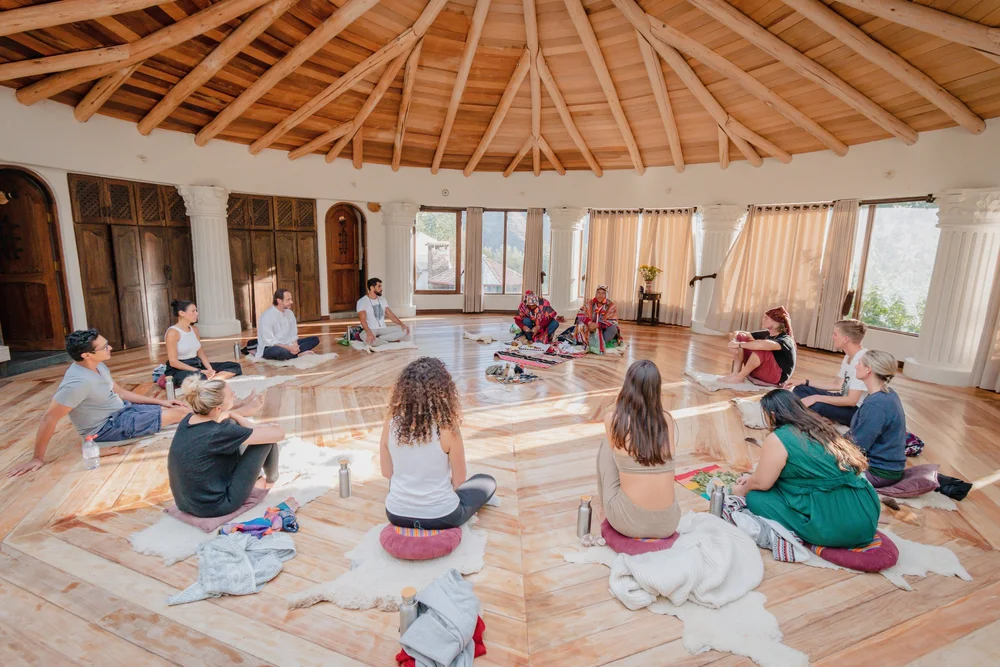
Ayni Kawsay
Eleven nights of somatic movement, sound journeys, mountain hikes and Andean reciprocity in Calca, timed for spring renewal.
Explore the journeyLooking for support closer to home this winter? Bodyworkers, healers and guides in our network are listed in the Vivid Directory.
Questions? Write to us at hello@vividvisionaries.com.
Rest well this winter.
With love,
Vivid Visionaries
Double-click to edit...